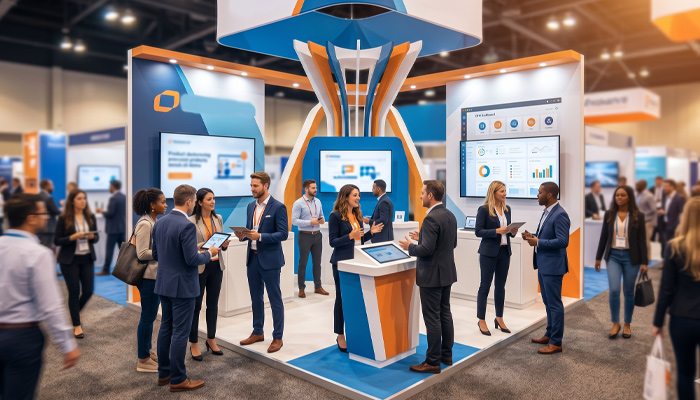

Ambush marketing intercepts the global media attention of major public events by associating a non-sponsoring brand with the spectacle, intentionally bypassing the multi-million dollar exclusivity fees demanded by event organizers. Agency creatives and marketing managers deploy this tactic through physical venue proximity, localized thematic association, or real-time digital newsjacking to position their campaigns directly alongside official, paying competitors. Successfully executing this operational strategy captures massive earned media and cultural relevance, provided the legal execution strictly avoids protected intellectual property, official event titles, and trademarked assets to neutralize the threat of immediate IP litigation and forced campaign retractions.
Introduction: Stealing the Show Without Paying the Ticket
Ambush marketing is the deliberate execution of disruptive advertising campaigns designed to associate a brand with a major public event without paying official event sponsorship fees. Brand strategists and agency creatives deploy this tactic to intercept the media attention surrounding global spectacles—such as the Super Bowl or FIFA tournaments—hijacking the cultural moment while bypassing the multi-million dollar price tags demanded by organizers.
Executing this strategy requires navigating a razor-thin boundary between high-impact creative disruption and direct trademark infringement. The inherent tension lies in engineering a campaign that consumers immediately connect to the specific event, while strictly avoiding the unauthorized use of protected intellectual property, official logos, or trademarked phrases. When built correctly, a brand achieves massive earned media and outsmarts competitors who paid for exclusive rights. When executed recklessly, it invites swift retaliation from event organizers, devastating IP litigation, and forced campaign retractions.
What is Ambush Marketing?
Ambush marketing is a competitive strategy where a brand deliberately connects itself to a major event without paying the official sponsorship fee. The goal is to capture the attention of the event’s audience and create a psychological association in the consumer’s mind, effectively neutralizing the exclusivity paid for by official sponsors. Marketers use this tactic to intercept global media coverage, bypass exorbitant sponsorship costs, and position their brand directly alongside competitors who have paid for official rights.
The Origin of the Term
Jerry Welsh coined the term in the 1980s while working as the global marketing director for American Express. During the 1984 Los Angeles Olympics, Visa secured the exclusive rights as the official credit card sponsor. Instead of accepting defeat, Welsh launched a localized advertising campaign stating that Americans did not need a “visa” to travel, effectively associating American Express with the event’s host city and timeline without directly infringing on Olympic trademarks. This campaign proved that a brand could legally capture event-driven revenue and public attention without holding official sponsorship status.
“Ambush marketing refers to a situation in which a company or product seeks to ride on the publicity and promotional activities surrounding a major event, without contributing to the financing of the event through official sponsorship.”
Ambush Marketing vs. Guerrilla Marketing
The distinction between these two strategies centers on the target and the dependency on external events. Ambush marketing specifically requires a pre-existing major event—such as a sporting tournament or a global festival—to hijack its audience and media coverage. Guerrilla marketing relies on unconventional, surprise tactics applied anywhere, at any time, to generate word-of-mouth visibility, operating independently of any specific event calendar.
| Core Differentiator | Ambush Marketing | Guerrilla Marketing |
|---|---|---|
| Primary Target | Specific major events and their established audiences. | The general public in unexpected daily locations. |
| Financial Scale | Ranges from zero-cost social posts to multi-million dollar ad buys. | Inherently low-cost, relying on time, energy, and imagination. |
| Legal & Regulatory Risk | High risk of trademark infringement and IP litigation. | Low IP risk, but potential for public nuisance or permit violations. |
While an ambush campaign can utilize guerrilla tactics—such as staging an unannounced flash mob outside a sponsored stadium—guerrilla marketing itself does not require an event to ambush. A brand painting a creative 3D illusion on a random city sidewalk is executing a guerrilla tactic, but unless that sidewalk leads directly to a competitor-sponsored convention, it is not an ambush.
The Two Main Types of Ambush Marketing
Campaign architects categorize these strategies into two distinct operational frameworks: direct ambushing, which actively attempts to deceive consumers or aggressively attack a rival’s paid sponsorship, and indirect ambushing, which relies on subtle thematic associations to capitalize on an event’s visibility while navigating around legal boundaries.
Direct Ambushing (Predatory & Coattail)
Direct ambushing requires an intentional, overt effort by a brand to falsely claim a connection to an event or actively undermine an official sponsor’s messaging. Predatory ambushing occurs when a company explicitly attacks a competitor’s official sponsorship, confusing the public regarding who actually holds the exclusive rights. An agency might buy out the billboard inventory immediately surrounding a sponsored stadium, deploying messaging that eclipses the official brand partner. Coattail marketing, a specific subset of this aggressive approach, involves a brand tying itself to an event through localized or individual involvement—such as sponsoring a specific participating athlete rather than the tournament itself. This allows the brand to leverage the athlete’s media presence to bypass the event’s corporate hierarchy.
The International Olympic Committee established Rule 40 specifically to neutralize direct ambushing tactics. This regulation strictly limits how athletes can interact with non-official corporate sponsors during the blackout period of the games, proving how aggressively event organizers will move to protect the commercial exclusivity they sell to official partners. Engaging in direct tactics inevitably triggers immediate cease-and-desist orders and high-stakes trademark infringement lawsuits.
Indirect Ambushing (Associative & Distractive)
Indirect ambushing bypasses the severe legal hazards of direct IP theft by strictly avoiding official logos, event titles, and trademarked slogans. Instead, brands rely on implied imagery, localized cultural themes, or strategic physical proximity to intercept the audience. Associative ambushing utilizes visual or auditory cues that heavily hint at the event. During a FIFA tournament, a non-sponsor will launch heavily funded campaigns featuring generic footballs, stadium floodlights, and national team colors, engineering a psychological link in the consumer’s mind without ever printing the tournament’s protected name.
Distractive ambushing shifts the focus to physical space, setting up massive promotional footprints near the event venue to steal audience attention. Handing out uniquely branded merchandise at the transit stations leading into the Super Bowl arena creates a visual takeover that attendees naturally associate with the game. This associative method remains the preferred route for sophisticated agencies because it successfully secures global audience attention while heavily insulating the brand from direct legal retaliation.
| Strategy Type | Execution Method | Legal Risk Level |
|---|---|---|
| Direct Ambushing | Falsely claiming association, attacking rival sponsors, unauthorized use of IP. | Severe (High probability of IP litigation and injunctions) |
| Indirect Ambushing | Using related imagery, spatial proximity, and thematic campaigns. | Low to Moderate (Requires strict legal review to avoid implied association) |
[Case Studies] 7 Times Ambush Marketing Broke the Internet
Examining historical ambush marketing campaigns reveals exactly how brands bypass official sponsorship fees to capture global audience attention. These seven case studies demonstrate the spectrum of execution, from localized billboard rivalry to highly coordinated stadium infiltrations and real-time social media exploitation.
| Brand | Event Target | Ambush Strategy Applied |
|---|---|---|
| Audi vs. BMW | Local Competitor Ad Buy | Direct Ambushing (Predatory) |
| Bavaria Beer | FIFA World Cup | Indirect Ambushing (Distractive) |
| Oreo | NFL Super Bowl | Digital Ambushing (Newsjacking) |
| Nike | 1996 Atlanta Olympics | Indirect Ambushing (Associative) |
| Rona | Apple iPod Campaign | Direct Ambushing (Coattail) |
| Paddy Power | 2012 London Olympics | Indirect Ambushing (Thematic Loophole) |
| Beats by Dre | 2012 London Olympics | Indirect Ambushing (Associative Placement) |
The Audi vs. BMW Billboard War
Audi and BMW executed a highly visible, localized direct ambush sequence using adjacent outdoor advertising inventory in Santa Monica, California. Audi initiated the sequence by promoting their new A4 model with a billboard stating, “Your move, BMW.” BMW immediately secured the billboard directly across the street, featuring their M3 model and the headline, “Checkmate.” This tactic leveraged physical proximity and aggressive competitor banter, generating massive free press coverage without involving a third-party event organizer. It stands as a textbook example of predatory ambushing where the media heavily amplifies the conflict, providing both brands with exponentially more exposure than a standalone advertisement.
Bavaria Beer’s Dutch Dress Stunt at the FIFA World Cup
During the 2010 FIFA World Cup, Bavaria Beer bypassed Budweiser’s exclusive global sponsorship rights by deploying 36 women wearing unbranded, bright orange dresses into a highly visible section of the stadium. Because the dresses visually matched Bavaria’s distinct promotional merchandise sold alongside their beer in the Netherlands, the television broadcast immediately amplified the brand association to millions of viewers. FIFA officials identified the stunt as a coordinated distractive ambush, resulting in the women facing arrest and the brand facing severe legal threats.
“The arrests of the women in orange dresses highlighted the severe measures sporting organizations will deploy to protect their official sponsors from ambush tactics, shifting the conversation from marketing to international legal disputes.”
Source: Forbes
Oreo’s Super Bowl “Dunk in the Dark”
Real-time digital ambushing allows a brand to exploit live event disruptions using rapid-response social media content. When a massive power outage halted the 2013 Super Bowl, Oreo’s marketing team immediately published a simple graphic on Twitter reading, “You can still dunk in the dark.” By hijacking the real-time conversation surrounding the blackout, Oreo secured a volume of media impressions equivalent to a multi-million dollar television spot at zero distribution cost. This execution demonstrated the high reward and near-zero legal risk of speed-driven newsjacking, bypassing the need for physical proximity to the event.
Nike’s Golden Shoes at the 1996 Atlanta Olympics
Nike executed an aggressive associative ambush during the 1996 Atlanta Olympics to counter Reebok’s official sponsorship. Instead of paying the International Olympic Committee, Nike blanketed the city in billboards, handed out branded flags to fans outside venues, and equipped sprinter Michael Johnson with custom gold racing spikes. When Johnson won his races and appeared on global magazine covers, the golden footwear became the defining visual of the games. The public largely assumed Nike was the official sponsor, proving that localized physical dominance and strategic athlete partnerships can completely neutralize a rival’s paid exclusivity.
Rona’s Paint Drip Billboard Counter-Attack
Rona, a Canadian home improvement retailer, utilized a coattail tactic by physically incorporating an adjacent brand’s ad campaign into its own signage. Apple had placed a billboard promoting the iPod Nano, featuring colorful media players dripping vibrant paint downward. Rona purchased the exact billboard space directly beneath Apple’s ad and placed a banner showing paint collecting in Rona-branded buckets with the text, “We recycle leftover paint.” This localized direct ambush hijacked Apple’s massive creative budget to promote Rona’s recycling program, achieving viral attention through clever spatial positioning.
Paddy Power’s ‘Largest Athletics Event in London’ Loophole
Paddy Power circumvented strict event anti-ambush regulations in 2012 through a hyper-literal geographic loophole. The Irish bookmaker launched a massive outdoor campaign claiming they were the “Official sponsor of the largest athletics event in London this year.” A small disclaimer at the bottom clarified they were sponsoring an obscure egg-and-spoon race in the small town of London, France. When event organizers attempted to enforce a takedown notice, Paddy Power successfully defended the campaign, proving the statement was factually accurate and legally distinct from official Olympic trademarks.
Beats by Dre and the Banned Headphones in London
Beats by Dre engineered a high-visibility associative ambush at the 2012 London games by distributing custom-designed headphones directly to prominent athletes at the Olympic Village. The company bypassed official electronics sponsor Panasonic by gifting athletes headsets painted in their respective national flag colors. As swimmers and runners wore the distinct, oversized headphones during their highly broadcasted pre-event warmups, Beats achieved global product placement during the most-watched moments of the broadcast without violating the strict letter of the event’s corporate sponsorship agreements.
The Legal Minefield: Navigating IP and Trademark Law
Executing an unauthorized association campaign requires strict adherence to intellectual property regulations to avoid severe financial penalties and forced campaign retractions. Event organizers deploy aggressive legal teams specifically tasked with identifying and prosecuting non-sponsors who attempt to monetize the visibility of their tournaments. Surviving this legal scrutiny demands a precise understanding of the boundaries between associative creativity and unlawful commercial exploitation.
Understanding “Passing Off” and Trademark Infringement
Passing off and trademark infringement occur when a non-sponsoring brand creates a false impression of commercial association with an event, deceiving consumers and hijacking the event organizer’s established goodwill. The threshold for litigation is crossed the moment a campaign utilizes protected intellectual property—such as official logos, tournament names, mascot designs, or trademarked taglines—or intentionally causes market confusion regarding who holds official sponsorship rights. Event organizers immediately issue cease-and-desist orders and seek financial damages for any unauthorized commercial exploitation that threatens the exclusivity they legally promised to their official partners.
To avoid crossing this line, legal teams meticulously audit campaigns to strip out any direct references. If a brand wants to target a professional football championship, they cannot use the league’s acronym or the exact name of the final game. Instead, they must rely on generic visual cues, localized geography, or thematic messaging that triggers the audience’s association without technically infringing on a registered trademark. The legal defense relies on proving that an average consumer would not reasonably believe the brand is an official, paying sponsor.
The Olympic “Rule 40” Explained
Rule 40 of the Olympic Charter explicitly prohibits competing athletes, coaches, and officials from allowing their name, image, or sporting performance to be used in advertising during a defined blackout period surrounding the Games, unless expressly permitted by the International Olympic Committee. This strict regulation is engineered to protect the immense financial investments of official top-tier sponsors and maintain the solidarity funding model that supports all participating national teams. By enforcing this blackout window, organizers neutralize the risk of personal athletic sponsors hijacking the global broadcast visibility paid for by official event partners.
“Rule 40 of the Olympic Charter is an eligibility rule introduced by the International Olympic Committee… The value of the IOC’s international marketing program and the benefit partners receive to market their association with the Games supports athletes around the world… The rule helps ensure global participation at the Games and maintain the long-term health of the Movement.”
To navigate these constraints, non-official brands must deploy generic advertising frameworks completely devoid of protected Olympic properties. These campaigns must be launched months before the blackout period initiates and cannot be heavily scaled up during the competition dates. Event enforcement mechanisms monitor both physical activations and digital footprints closely, meaning a single unauthorized social media post featuring a participating athlete and a sponsor logo can trigger immediate disqualification threats against the athlete and litigation against the brand.
How to Execute an Ambush Campaign Safely (The Strategy)
Executing an ambush campaign safely requires isolating the cultural theme of an event from its legally protected identity. Brand managers must build their creative strategy around the host city, the fan experience, or the general activity rather than utilizing the tournament name, official logos, or trademarked taglines. Surviving legal scrutiny relies entirely on proving the brand never explicitly claimed an official partnership and never caused reasonable consumer confusion regarding sponsorship status.
The Risk vs. Reward Matrix
Assessing a potential ambush involves mapping anticipated media impressions against the statistical likelihood of forced retractions and financial penalties. The Risk vs. Reward Matrix forces marketing departments to quantify trademark litigation exposure before committing production budgets. The most effective campaigns maximize cultural relevance while keeping legal exposure near zero, whereas poorly planned stunts invite immediate, expensive retaliation.
| Execution Method | Media Reward Potential | Legal Risk Exposure |
|---|---|---|
| Digital Newsjacking (Real-time social media response) | High (Viral distribution, instant relevance) | Low (If strictly avoiding trademarked terms) |
| Thematic Association (Generic sport/national colors) | Medium to High (Consistent brand presence) | Low (Relies on broad cultural themes) |
| Physical Distraction (Proximity to the venue) | High (Intercepts ticket holders and broadcast cameras) | High (Event organizers fiercely police physical zones) |
| Direct Predatory (Attacking rival sponsor’s IP) | Variable (Short lifespan before takedown) | Severe (Guarantees immediate cease-and-desist) |
Agencies looking for sustainable impact default to digital newsjacking and thematic association. These methods generate massive audience engagement through clever timing and visual cues without ever triggering the legal tripwires associated with physical venue infiltration or direct competitor attacks.
5-Point Legal Compliance Checklist
Before deploying advertising assets or mobilizing street teams, creative directors and legal counsel must audit the campaign against a strict compliance framework. Failing to clear a single point on this list hands event organizers immediate grounds for legal action and financial damages.
- Scrub all protected terminology: Replace trademarked event titles with widely understood generic alternatives. Marketers bypass explicit trademarks by using phrases like “The Big Game” instead of the official championship name, or referencing the host city and year instead of the tournament title.
- Eliminate accidental visual IP: Audit all video and photography for unintended logo inclusions. A campaign can be taken down if a generic stadium shot accidentally captures official sponsor signage in the background, or if actors wear jerseys bearing protected team insignias.
- Respect geographic exclusion zones: Event organizers work with local governments to establish strict, legally enforced clean zones around stadiums and transit hubs. Deploying unpermitted marketing teams inside these boundaries results in immediate asset confiscation and trespassing citations.
- Avoid official event hashtags: Social media algorithms naturally group content by tags, but using an event’s registered hashtag to promote a commercial product constitutes digital trademark infringement. Brands must hijack trending, non-trademarked conversations surrounding the event instead.
- Clear athlete blackout periods: Verify the specific advertising blackout dates enforced by organizers, such as Rule 40. Launching a campaign featuring a participating athlete during this restricted window jeopardizes the athlete’s eligibility and subjects the brand to severe tortious interference claims.
How Official Sponsors Can Defend Their Turf
Event organizers and official sponsors neutralize ambush threats by establishing airtight contractual clean zones and deploying rapid-response legal teams months before the opening ceremony. Protecting a high-tier event sponsorship requires actively scanning for unauthorized commercial footprints—both physical and digital—and enforcing financial penalties against broadcasters or municipalities that allow unapproved association.
Proactive Monitoring and Legal Clauses
Sponsors dictate specific anti-ambush clauses within their primary contracts, legally forcing the event organizer to police and penalize unauthorized brands. This shifts the financial and operational burden of trademark enforcement directly onto the host committee. These binding agreements mandate the creation of strict exclusion zones, requiring the host city to legally block non-sponsors from purchasing outdoor advertising inventory, transit signage, or street team distribution permits within a defined radius of the venue.
To shut down digital interception, legal defense teams utilize image recognition software and programmatic social listening tools to instantly flag unauthorized use of official event titles or broadcast footage. When a rival brand attempts to launch a real-time social media reaction to an in-game event, these automated monitoring systems immediately issue takedown notices to the hosting platforms based on pre-filed intellectual property claims.
| Ambush Threat Profile | Sponsor Defense Mechanism |
|---|---|
| Physical Stadium Proximity | Contractually mandated clean zones blocking rival outdoor ad buys. |
| Broadcast Commercial Infiltration | Media-buy exclusivity blocking competitors from network ad slots. |
| Digital Social Hijacking | Automated API monitoring and pre-filed takedown requests. |
Brand protection extends well beyond the physical stadium footprint into the broadcast rights themselves. Official sponsors consistently insert broad media-buy exclusivity terms into their television and streaming agreements, ensuring networks cannot sell commercial airtime to direct market competitors during the live broadcast window. If a non-sponsor somehow manages to bypass physical security and execute a localized stunt, this network-level block ensures the disruption never reaches the global viewing audience.
Conclusion: The Future (and Ethics) of Ambush Marketing
Ambush marketing operates entirely on the friction between rigid legal monopolies and agile commercial creativity. Brands that successfully intercept global events prove that consumer attention aligns with cultural relevance rather than paid exclusivity. The ethical divide remains stark: event organizers and official partners classify unauthorized campaigns as parasitic theft of established goodwill, while non-sponsors justify the practice as fundamental free-market competition.
As digital consumption fragments, the tactical advantage permanently shifts toward non-sponsoring brands. Legal frameworks will continue to lock down physical stadium footprints and linear broadcast rights, but policing decentralized, real-time social media reactions remains nearly impossible for host committees. Marketing departments must prioritize rapid-response digital strategy and localized thematic association, abandoning risky physical infiltrations that guarantee immediate IP litigation.
Event committees will counter by deploying highly automated trademark enforcement algorithms and expanding contractual exclusion zones to protect their revenue models. For independent agencies and competing businesses, capturing the momentum of a global spectacle no longer requires a massive sponsorship check. It requires surgical legal compliance paired with instant creative execution.
FAQs (Frequently Asked Questions)
What is the difference between ambush marketing and guerrilla marketing?
Ambush marketing explicitly targets the audience of a pre-existing major event to intercept its media coverage, whereas guerrilla marketing relies on unconventional, low-cost surprise tactics executed in everyday locations independent of any specific event calendar. Guerrilla campaigns leverage unexpected public spaces, while ambush strategies focus entirely on hijacking an established event’s cultural and commercial momentum.
Is ambush marketing illegal?
Ambush marketing is not inherently illegal, provided the campaign strictly avoids trademark infringement, passing off, and unauthorized use of protected intellectual property. Illegality arises only when a brand explicitly uses official logos, protected event titles, or intentionally deceives consumers into believing they hold an official paid sponsorship.
What is an example of predatory ambushing?
The localized billboard war between Audi and BMW in Santa Monica operates as a textbook example of predatory ambushing. Audi purchased outdoor advertising space aggressively challenging BMW, prompting BMW to buy the adjacent billboard for a direct counter-attack. This tactic intentionally targets and attempts to eclipse a specific rival’s marketing footprint using aggressive spatial positioning.
How do you defend against an ambush marketing campaign?
Event organizers and official sponsors defend their exclusive rights by contractually mandating rigid clean zones around physical venues and deploying automated monitoring systems to issue immediate legal takedowns for digital infringements. Sponsors also enforce broadcast media-buy exclusivity clauses, blocking direct competitors from purchasing television commercial slots during the live event.
Can small businesses use ambush marketing effectively?
Small businesses execute this strategy highly effectively by utilizing rapid digital newsjacking and localized thematic association rather than expensive physical venue takeovers. By monitoring live broadcasts and quickly publishing clever social media reactions that reference the cultural moment without citing trademarked terms, smaller brands capture high-volume organic reach at near-zero distribution cost.