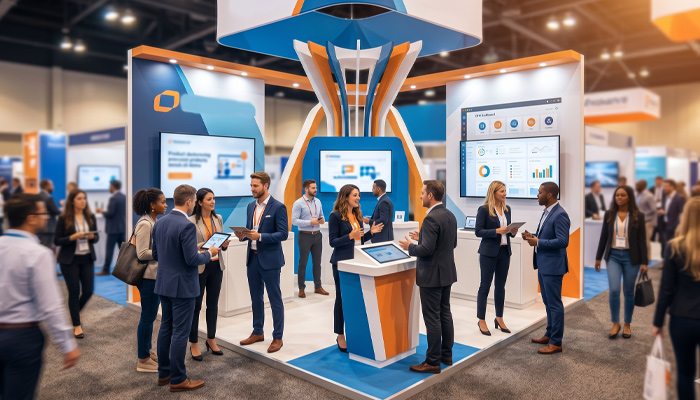

Planning a successful event in 2026 requires immediately locking down your SMART objectives, securing a venue equipped for hybrid capabilities, and defining a strict budget with a 15% contingency buffer at least six months before your target date. Instead of relying on outdated manual spreadsheets, you must adopt an agile event management framework and deploy AI-powered Event Management Software (EMS) from day one to automate registrations, track vendor dependencies, and guarantee a measurable Return on Investment (ROI) without burning out your team.

Why Your Current Event Strategy Needs an Agile Upgrade
To plan a successful event in 2026 without budget overruns or logistical burnout, you must immediately adopt an Agile Event Planning framework powered by AI task management. Relying on static spreadsheets and manual tracking is the primary cause of organizer stress, leading to disjointed communication, missed deadlines, and costly last-minute errors.
For marketing managers, HR professionals, and ambitious organizers, the pressure to deliver a high-impact experience is immense. Juggling venue sourcing, budget allocation, and attendee engagement often transforms what should be a strategic growth opportunity into a highly stressful ordeal. The sheer volume of moving parts practically guarantees friction if you do not have a modern system in place.
This guide is your ultimate, step-by-step operational roadmap designed to eliminate that ambiguity and stress. Moving beyond basic theory, we provide a highly practical, phased approach that combines agile methodologies with current tech trends and sustainable green event practices. By implementing this exact framework and referencing our comprehensive Event Planning Checklist, you will bypass common logistical traps, drastically cut unnecessary costs, and execute your next event with speed, precision, and absolute confidence.
What is Event Planning?
Event planning is the strategic process of defining the scope, budget, and logistical framework of a gathering long before the doors open. It involves critical early-stage decisions such as venue sourcing, selecting keynote speakers, designing hybrid event architectures, and mapping out the overarching Event Marketing strategy to ensure maximum attendee registration.
While often confused, event planning and event management are distinct operational phases. Planning is the architectural design; management is the on-site construction. If you fail to separate these roles in your operational roadmap, you risk severe bottlenecks on the actual day of the gathering. Planning establishes the vision and secures the resources, whereas management ensures those resources function correctly when the attendees arrive.
Event Planning vs. Event Management
| Feature | Event Planning (The Blueprint) | Event Management (The Execution) |
| Core Focus | Strategic design, budget allocation, and pre-event coordination. | On-site execution, vendor oversight, and live troubleshooting. |
| Timeline | Months to years before the event. | The days immediately prior to and during the event. |
| Key Tasks | Venue sourcing, contract negotiation, agenda creation. | Staff check-in, AV monitoring, crowd control, and safety. |
The 7 Key Stages of the Event Planning Process
A structured event planning process transforms chaotic logistics into a predictable, high-ROI workflow. By adopting an agile framework, you break down the lifecycle into seven manageable phases, ensuring total alignment between technology, budget, and physical execution while minimizing risks.
1. Setting SMART Goals & Objectives
Your event’s success relies on defining Specific, Measurable, Achievable, Relevant, and Time-bound (SMART) goals before spending a single dollar. Establish clear KPIs early—such as generating 500 qualified leads, achieving a 20% ticket upsell rate, or maintaining a specific engagement metric. Based on your target audience’s location and preferences, decide immediately whether the format will be strictly in-person, fully virtual, or leverage Hybrid Events to maximize reach.
2. Budgeting & Financial Planning
Effective Budget Allocation requires categorizing your primary expenses—venue, catering, technology, and promotion—while strictly reserving a 10% to 15% contingency buffer for hidden costs. Unforeseen expenses, such as last-minute AV upgrades, union labor overtime, or platform expansion fees, will derail your financial planning without this mandatory safety net.
| Expense Category | Core Items Included | Recommended Allocation |
| Venue & Logistics | Space rental, AV equipment, security, Wi-Fi infrastructure. | 35% – 40% |
| F&B (Catering) | Meals, beverages, waitstaff, dietary alternatives. | 25% – 30% |
| Marketing & Tech | Event Management Software (EMS), ads, branding. | 15% – 20% |
| Contingency Buffer | Emergency funds for hidden/unexpected costs. | 10% – 15% |
3. Venue Sourcing & Logistics
Strategic Venue Sourcing hinges on evaluating capacity limits, ADA accessibility, built-in tech infrastructure, and proximity to attendee accommodations. Do not sign a contract based solely on aesthetics; rigorously verify that the physical location or digital platform can support your peak Wi-Fi bandwidth requirements, interactive tech stack, and sustainable (green) event standards.
4. Program Design & Speaker Selection
An interactive agenda prevents cognitive fatigue by balancing dense educational sessions with structured networking breaks and interactive workshops. Select Keynote Speakers whose expertise directly aligns with your core objectives, rather than simply booking recognizable names. Utilize modern pacing formats, such as 15-minute micro-learning sessions and real-time polling, to maintain high energy levels throughout the day.
5. Event Marketing & Promotion
Driving registrations demands a multi-channel B2B Event Marketing strategy that leverages automated email sequences, targeted social media ads, and strategic sponsor partnerships. Co-marketing with your vendors and implementing aggressive Exhibition Marketing techniques expands your reach organically without inflating your ad spend. Build momentum early by utilizing data-driven ticketing tiers, like scarcity-based early-bird pricing, to secure early commitments.
6. On-Site Execution & Event Day
Flawless on-site execution requires a minute-by-minute run-of-show document and a dedicated agile team empowered to make rapid, autonomous decisions. Always deploy a contingency “Plan B” for critical failure points, such as a keynote cancellation or a sudden tech outage. Implementing an Expo Concierge or using AI-powered automated check-in kiosks drastically reduces attendee wait times and establishes a professional tone from the very first minute.
7. Post-Event Analysis & ROI Measurement
Measuring Event ROI / ROE (Return on Experience) starts by deploying a Post-event survey within 24 hours, while the experience is still entirely fresh in the attendees’ minds. Calculate your financial success by analyzing direct revenue and pipeline leads against your costs, but equally weight the Experience Value Score (EVS) to gauge true attendee satisfaction. Cross-reference these data points to identify logistical bottlenecks and refine the operational blueprint for your next gathering.
The Ultimate Event Planning Checklist
A functional event planning checklist acts as your project’s master timeline, dictating exact deadlines for venue contracts, vendor deposits, and marketing campaign launches to keep your team entirely on track. Breaking your workflow into chronological phases—months out, weeks out, and days out—eliminates task paralysis, prevents costly rush fees, and ensures every agile team member knows exactly what to execute and when.
Here is the high-level operational timeline you must follow to maintain momentum:
-
6 to 12 Months Out (The Strategic Foundation): Lock in your SMART goals, secure internal budget approval, finalize venue sourcing, and outline your core event marketing strategy. This is also the time to recruit your high-profile speakers.
-
3 to 6 Months Out (Vendor & Registration Lock-in): Sign all secondary contracts (catering, AV, decorators), launch early-bird ticket sales, map out the floor plan, and begin drafting the initial run-of-show.
-
1 Month Out (Final Alignment): Finalize catering headcounts based on strict registration numbers, distribute the minute-by-minute schedule to all vendors and speakers, and conduct a comprehensive dry-run of your Event Management Software and AV tech stack.
-
1 Week Out (Execution & Troubleshooting): Brief all on-site staff and volunteers, confirm final delivery times with the venue, print attendee badges, and review your “Plan B” contingency protocols for any potential emergencies.
While this timeline provides the critical milestones, flawless execution requires granular, day-by-day task tracking. To view the detailed micro-tasks, assign responsibilities to your team, and download the complete working spreadsheet, make sure to check out our comprehensive Event Planning Checklist guide.
Leveraging AI and Event Tech in 2026
In 2026, relying on manual spreadsheets for event logistics is a guaranteed path to operational failure; integrating Artificial Intelligence (AI) and modern event tech is the only way to achieve true agile management and scale your ROI. Artificial intelligence now completely automates the most time-consuming administrative aspects of the event planning process, from processing dynamic registration flows to predictive task delegation for your internal team.
To outperform competitors still using outdated logistical models, you must deploy a unified Event Management Software (EMS) that directly handles complex data processing. This allows your team to shift their focus from manual data entry to strategic execution and attendee experience enhancement.
“Artificial intelligence (AI) is technology that enables computers and machines to simulate human intelligence and problem-solving capabilities. On its own or combined with other technologies, AI can perform tasks that would otherwise require human intelligence or intervention.
At its simplest form, artificial intelligence is a field, which combines computer science and robust datasets, to enable problem-solving. It also encompasses sub-fields of machine learning and deep learning, which are comprised of AI algorithms that seek to create expert systems which make predictions or classifications based on input data.”
Source: IBM
Here is how modern event tech fundamentally upgrades the three core pillars of agile event planning:
| Operational Area | The Outdated Approach | The 2026 AI-Powered Solution |
| Registration & Ticketing | Static web forms and manual payment reconciliation. | Automated, personalized booking flows with AI-driven dynamic pricing and instant CRM syncing. |
| B2B Networking | Random mixer sessions and manual introductory emails. | Smart algorithmic matchmaking that pairs attendees based on mutual business interests and goals. |
| Agile Task Management | Disjointed emails and static to-do lists tracking deadlines. | Predictive project management tools that automatically flag bottlenecks and reallocate resources. |
Smart Matchmaking is currently the highest-converting tool for B2B events. Instead of leaving networking to chance, AI algorithms analyze user profiles and behavioral data prior to the event, autonomously suggesting high-value 1-on-1 meetings to attendees. This targeted networking guarantees measurable business outcomes for your guests, directly resulting in a vastly higher Experience Value Score (EVS).
Furthermore, utilizing AI for agile task management eliminates the human error inherent in complex logistics. Modern platforms proactively alert your event manager if a critical dependency—such as finalizing the AV contract—is lagging, allowing you to course-correct days before it impacts the overarching timeline.
Sustainability and Green Events
Executing a sustainable, green event requires immediately replacing printed materials with digital alternatives, mandating zero-waste catering protocols, and selecting venues powered by renewable energy. Corporate branding in 2026 demands proven environmental responsibility; sponsors and high-level attendees actively scrutinize your carbon footprint before committing to participate. Your sustainability efforts must be measurable, operational actions rather than vague marketing promises.
To significantly lower your event’s environmental impact while simultaneously boosting your corporate ESG (Environmental, Social, and Governance) profile, implement these three core strategies:
-
Absolute Paper Elimination: Completely eradicate printed agendas, physical tickets, and vendor brochures. Force the transition to centralized Event Management Software (EMS) apps, dynamic QR codes, and reusable digital signage.
-
Zero-Waste Sustainable Catering: Food waste is a massive financial and environmental drain. Use exact registration data to finalize precise headcounts, mandate that caterers use locally sourced ingredients to cut transport emissions, and establish a binding contract with local charities to immediately donate any safe, leftover food. Ban all single-use plastics from the venue.
-
Energy-Efficient Infrastructure: Prioritize venues that possess recognized green certifications (like LEED), utilize smart climate control systems, and operate on renewable energy grids.
By strictly enforcing these green protocols, you not only reduce physical waste and hidden logistical costs but also position your brand as a forward-thinking, responsible leader within your industry.
Conclusion: Executing Your 2026 Event Strategy
Mastering the event planning process in 2026 requires immediately abandoning outdated spreadsheets in favor of an agile management framework and an AI-driven tech stack. By rigorously following a phased timeline, enforcing a strict 10% to 15% budget contingency, and prioritizing sustainable execution, you ensure a flawless attendee experience and a measurable ROI. Whether you are organizing an internal corporate gathering or leveraging a comprehensive exhibition support platform to scale a massive B2B expo, implementing this exact methodology guarantees logistical precision and maximum impact.
Frequently Asked Questions (FAQ)
1. How long does it take to plan an event?
Depending entirely on the event’s scale and complexity, the planning timeline ranges from 4 weeks for small, internal meetings to a full 12 months for large-scale international conferences and B2B expos.
2. What are the most common event planning mistakes?
The most frequent critical errors include setting unrealistic budgets without a safety buffer, executing weak marketing campaigns, ignoring the attendee user experience, and operating without a centralized, chronological checklist.
3. How do you plan an event on a tight budget?
Maximize a limited budget by securing strategic corporate sponsors early, hosting hybrid formats to drastically reduce physical venue and catering costs, and negotiating aggressively with vendors for bundled service discounts.
4. How can I accurately measure the success of my event?
Measure true success by tracking direct financial ROI, analyzing your pipeline lead generation, and calculating the Experience Value Score (EVS) through targeted post-event surveys distributed within 24 hours of the event’s conclusion.
5. Is dedicated Event Management Software (EMS) absolutely necessary?
Yes. Modern EMS automates complex registration flows, facilitates AI-powered smart matchmaking between attendees, and provides real-time agile task management, making it essential to prevent critical logistical bottlenecks.