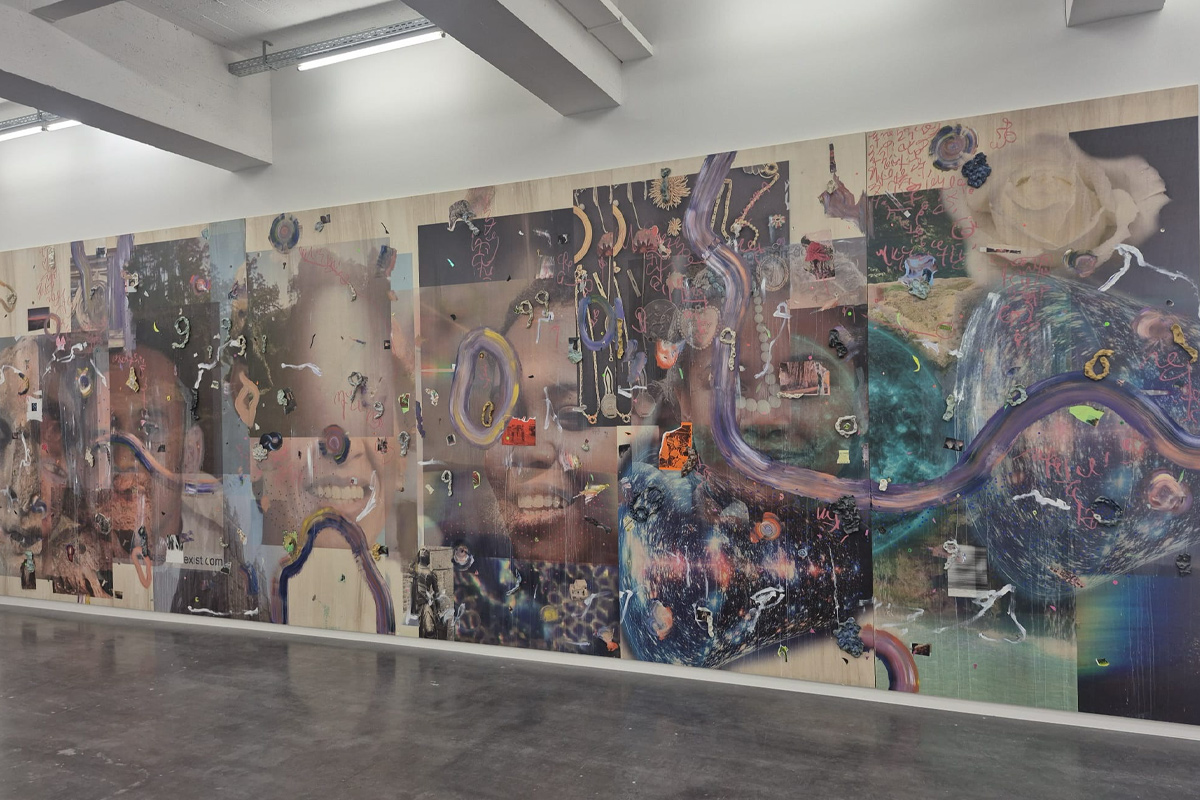
The “Magical Realism: Imagining Natural Dis/order” exhibition at the WIELS Contemporary Art Centre in Brussels presents a compelling exploration of our planet’s ecological future. By weaving together the seemingly opposing realms of magic and scientific realism, the showcase features over thirty international artists who use painting, sculpture, and immersive installations to challenge conventional environmental narratives. This large-scale exhibition invites visitors to reconsider the boundary between human civilization and the biosphere, offering a visionary look at how we might repair our fractured relationship with the natural world.
Brussels, Belgium
Art, Reality, and the Future in Formation
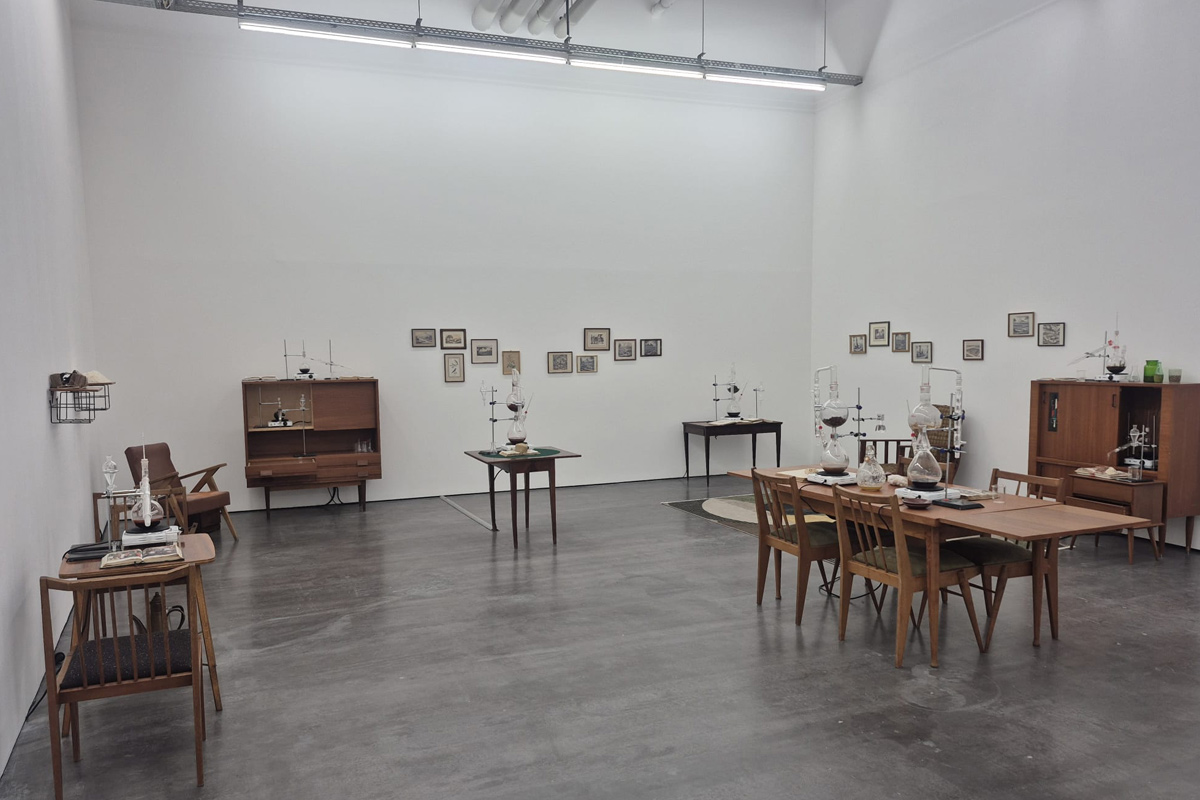
The exhibition “Magical Realism” was held on May 29, 2025, at WIELS in Brussels. The event unfolded within a space that bridges modern industrial architecture and the historical fabric of the city — an environment that in itself created a conceptual framework for the presented works.
As one of Belgium’s leading contemporary art institutions, WIELS provides an appropriate platform for projects with social, philosophical, and forward-looking perspectives.
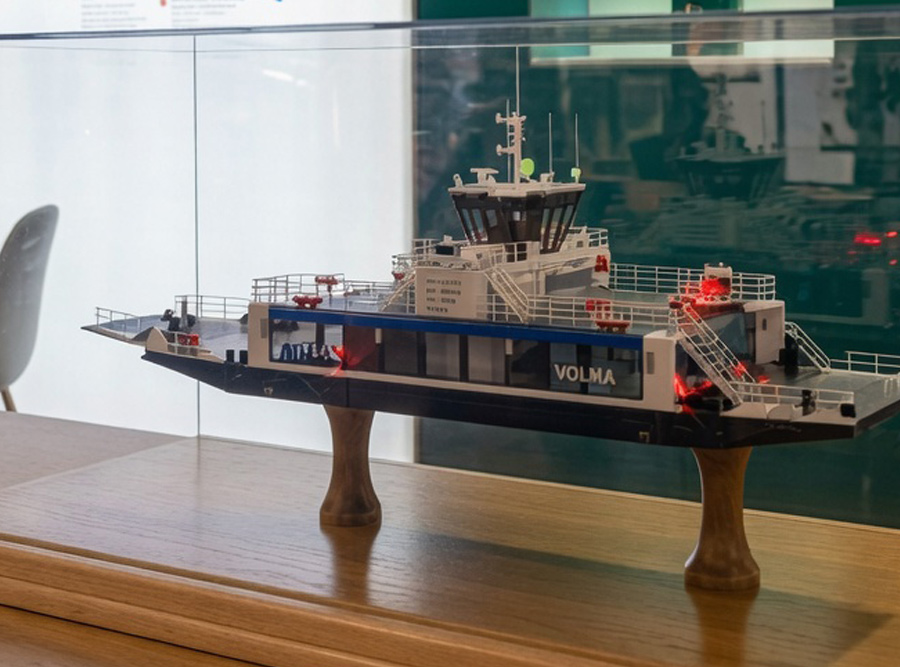
According to sewermuseum:
The museum is housed in two neo-classical former toll houses. You enter through one and exit via the other! In between, you will discover the vital work of sewer workers and the resources that are used to fight flooding in the city. After descending a few meters, you’ll be able to stroll along the banks of the Senne and enter a real sewer: the main sewer beneath the Chaussée de Mons/Bergensesteenweg!
Exhibition Concept and Content Framework
“Magical Realism” brought together a multidimensional collection of works by international artists exploring the boundaries between:
- Reality and imagination
- Humanity and technology
- Consumerism and sustainability
- Past, present, and future
Each section examined a specific theme — from the environmental impact of consumption patterns to the anxiety of modern humanity confronting the accelerating pace of technological change.
If you’d like to learn more, check out our latest post: Event Planning Checklist
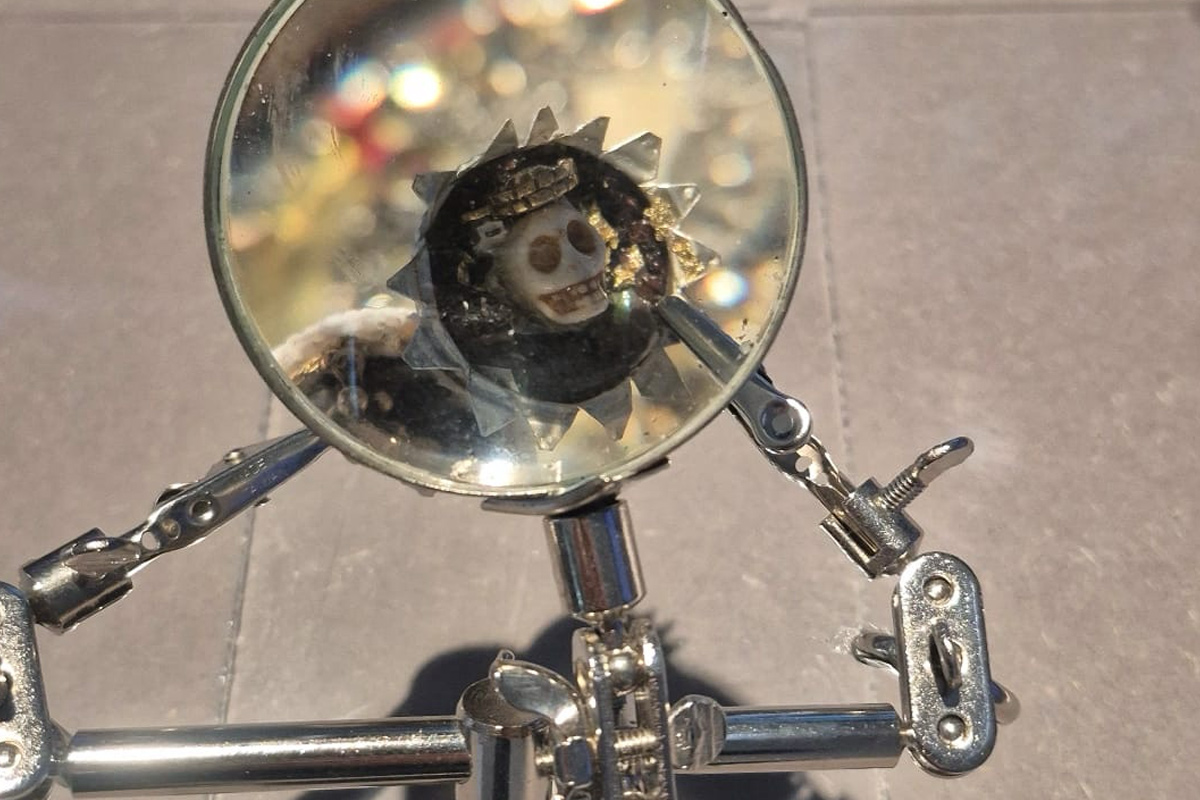
Featured Work: “The Time Machine”
One of the exhibition’s most remarkable pieces was a sculpture titled “The Time Machine” by an Argentine artist. Visually captivating yet conceptually profound, the work invited reflection on a central question:
If the ability to move forward or backward in time truly existed, would humanity be prepared to face its consequences?
The piece framed time not as a tool, but as a responsibility — one directly connected to the decisions humanity makes today.
Art as a Language of Environmental Protest
A significant portion of the exhibition addressed environmental degradation, pollution, and overconsumption.
Through:
- Video art
- Spatial installations
- Conceptual paintings
- Multimedia sound and image compositions
a unified message emerged:
Human behavior has a direct and undeniable impact on the future of the planet.
The exhibition utilized art not merely as an aesthetic medium, but as a tool for awareness and reflection. This approach illustrates how contemporary art is increasingly engaged with the urgent realities of the modern world.
If you’d like to learn more, check out our latest post: What is Event Marketing
The Intersection of Art, Industry, and Social Responsibility
At a time when major global industries are moving toward ESG frameworks, emission reduction strategies, and sustainability commitments, exhibitions like Magical Realism contribute to shaping the cultural discourse around responsibility.
The exhibition emphasized that:
- Innovation without responsibility does not create a sustainable future.
- Economic growth without environmental awareness lacks long-term value.
- Art can serve as an early warning system for industry.
Analytical Conclusion
Magical Realism 2025 stands as an example of committed and future-oriented contemporary art — an event that replaced commercial noise with silence, reflection, and responsibility.
The exhibition demonstrated that:
- Art can function as an analytical lens for the future.
- Cultural spaces play a critical role in shaping global discourse.
- The future of industry and the future of the planet are inseparably connected.
The final message is clear:
An industry that leaves no future for the Earth holds no strategic value.
Frequently Asked Questions
What is the main focus of the Magical Realism exhibition in Brussels?
The exhibition explores our planet’s ecological future by blending elements of magic and scientific realism. It challenges conventional environmental narratives and invites visitors to rethink the boundary between human civilization and the natural world.
Where does the event take place?
The exhibition is held at the WIELS Contemporary Art Centre in Brussels, Belgium. The venue’s mix of modern industrial architecture and historical urban fabric provides an ideal backdrop for projects with a strong philosophical and forward-looking perspective.
What types of artwork are featured in the showcase?
Visitors can expect a diverse, multidimensional collection from over thirty international artists. The showcase includes paintings, sculptures, conceptual video art, spatial installations, and immersive multimedia compositions.
What is the significance of “The Time Machine” sculpture?
Created by an Argentine artist, “The Time Machine” is one of the standout pieces of the event. It prompts viewers to reflect on whether humanity is truly prepared for the consequences of controlling time, ultimately framing time as a responsibility tied to our current environmental decisions.
How does the exhibition address sustainability and modern industry?
A major portion of the showcase acts as a form of environmental protest, tackling issues like overconsumption and pollution. It delivers a strong message that economic growth and technological innovation without environmental responsibility hold no long-term value.